Unpublished to Published
What nobody tells you about finishing the book, finding readers, and doing it on your own terms.
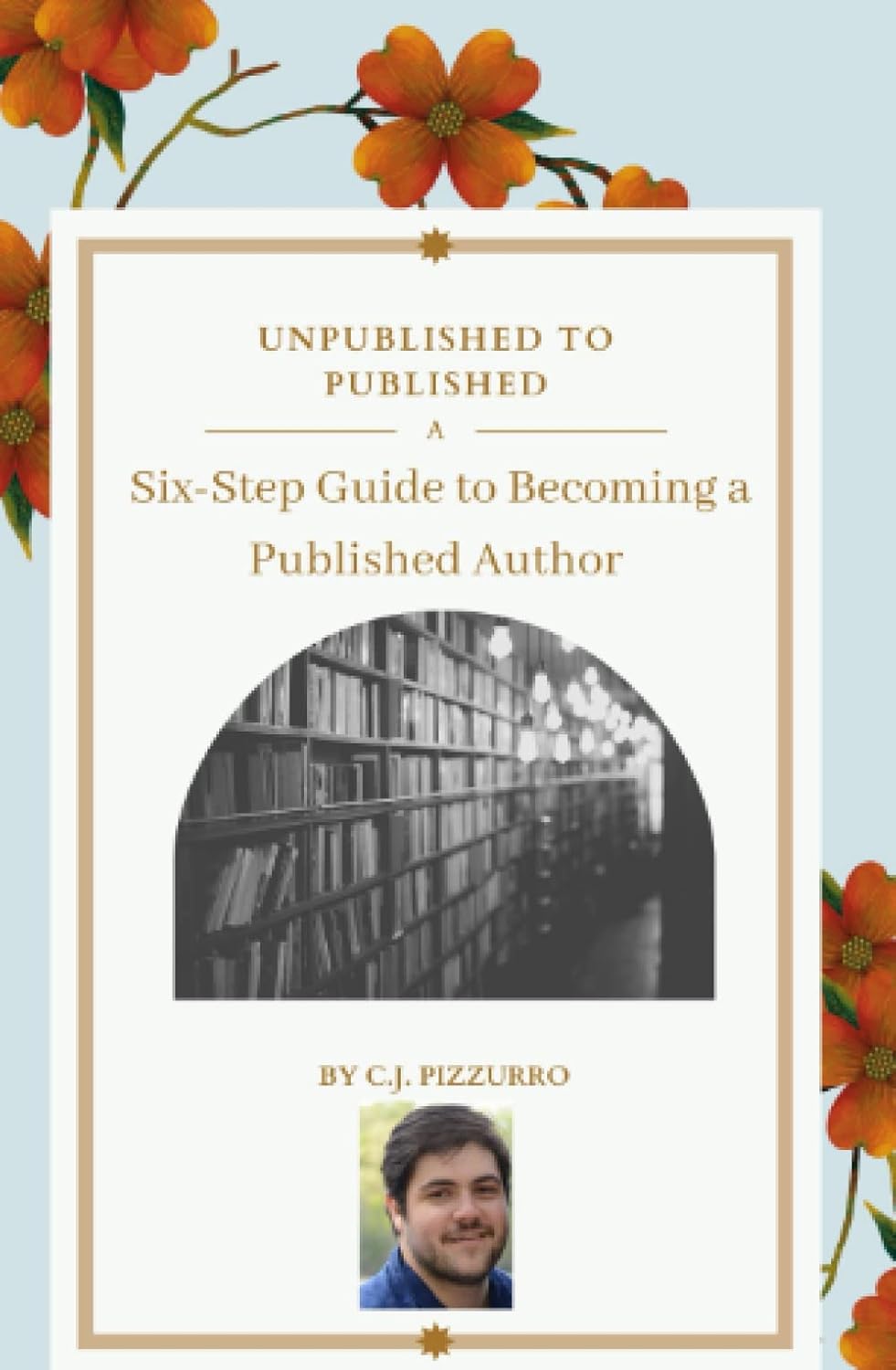
Writing the book is only the beginning.
Most writing advice stops at the draft. You finish the manuscript, and then — nothing. No map. No clear next step. Just a file on your desktop and a quiet, creeping doubt that you missed something important.
You didn’t miss it. It just wasn’t covered. The gap between “finished draft” and “published book with real readers” is enormous, and almost nobody talks about it honestly.
This section is for writers who are past the draft stage — or close to it — and need to understand what the path actually looks like: editing, cover design, formatting, distribution, metadata, launch, and building an audience that finds you because the work is good, not because you gamed an algorithm.
I’ve done it independently. These are the things I learned the hard way, and the things I wish someone had laid out clearly at the start.
The Stages
From completed draft to a book that can find its audience — in order, without shortcuts.
Developmental Editing
Before line editing, before anything — the structure has to hold. Pacing, character arc, scene function. This is the expensive work that most writers skip and later regret.
Line & Copy Editing
Voice, clarity, sentence rhythm, continuity. Then proofreading. In that order. Don’t proofread a draft that hasn’t been line edited — you’ll do it twice.
Cover Design
The cover is a genre signal before it’s an aesthetic. It tells a reader in 1.5 seconds whether the book is for them. Genre conventions exist because they work.
Formatting & Metadata
Interior layout for print and ebook. ISBNs, categories, keywords, BISAC codes — the infrastructure that determines whether your book shows up in the right searches.
Distribution
KDP, IngramSpark, Draft2Digital, wide vs. exclusive. The tradeoffs are real. Where your book lives affects how it can be marketed, discovered, and sold.
Launch & Long Game
ARCs, review generation, launch windows, email lists, and the honest reality that most indie books build slowly. The ones that last are the ones that were built right.
Practical. Dark fantasy–adjacent. No fluff.
The writing advice on this site isn’t about productivity systems or morning routines. It’s about the craft of dark, serious fiction and the business of getting it to readers who will actually appreciate it.
I write dark fantasy. The Days of Dark Sky series is seven books built around fallen mythology, moral complexity, and a protagonist who is genuinely dangerous. The audience for this kind of fiction is real and growing — but they don’t find your book through generic book-marketing playbooks.
I cover things like: how to write violence with weight, how to handle mythology without condescension, how to write a villain who believes he’s right, how to find readers in niche dark fantasy communities, and how to build an audience before your second book releases.
These posts are indexed in the For Writers section of the blog. New pieces go to the email list first.
Get the dispatches before they’re published.
New writing on craft, publishing, and the dark fantasy genre — sent to the list before it goes anywhere else.
Join the List Read the Blog